





Skip to content
The project · Source Bridge

Five hundred years of the collection, one paste away.

A library of live web components, each reading the real Source Library API, built so an Embassy editor can drop a primary-source surface into a Webflow page in under a minute. No build step, no developer, no waiting.

0

Live components

0

Works in the collection

0

Categories

0%

Live against the API

How it works

From a 400-year-old book to a live web component.

The whole path, end to end. The first three steps are already done for you — your only job is the last one.

01

The books

Rare hermetic, alchemical, and mystical works, held at the Embassy in Amsterdam.

The Embassy
02

Digitised

The Source Library scans every page, runs OCR, translates it, and mints a DOI.

The Source Library
03

One public API

All of it is published through a single open API — free, CORS-open, Creative-Commons licensed.

GET sourcelibrary.org/api/…The Source Library
04

A component

A small Source Bridge component reads that API live, right in the visitor's browser.

Source Bridge
05

Your page

Paste one line of HTML into a Webflow Embed block. No build, no server, no developer.

<iframe src="…/embed/…">You

No API key, no server, no build step. The component is a single themeable iframe — it works in Webflow, or any site that lets you paste HTML.

Who it's for

Built for the people who run the site.

The same components serve four very different jobs. Here's what each person gets.

Curator

Scholarship & collection

Every component is anchored to a real, attributable object in the Source Library — nothing is decorative invention.

Examine

Editor

Articles & publishing

Components paste into a Webflow Embed block and pull live content — no CMS migration, no developer round-trip.

Compose

Marketing Lead

Story & reach

Self-updating, on-brand surfaces that make the Embassy feel active without a content calendar.

Showcase

Developer

Integration & API

Vanilla HTML/JS/CSS embeds with no build step, hitting a CORS-open API. The React app is the showcase; the embed is the deliverable.

Integrate

How a component page works

Every component gets the full showcase.

Open any component and you get a complete, honest documentation page — live preview, editorial pitch, a playground, the copy-paste embed, and the raw data underneath. The standard is Stripe and Linear docs, not “good for a museum project.”

  1. 1

    A live preview

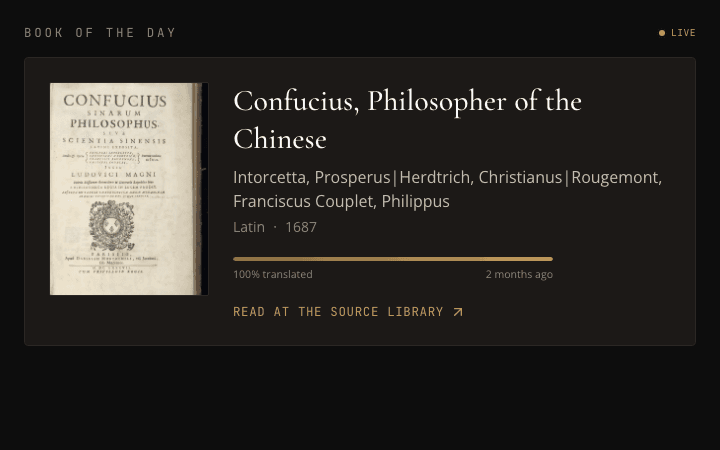
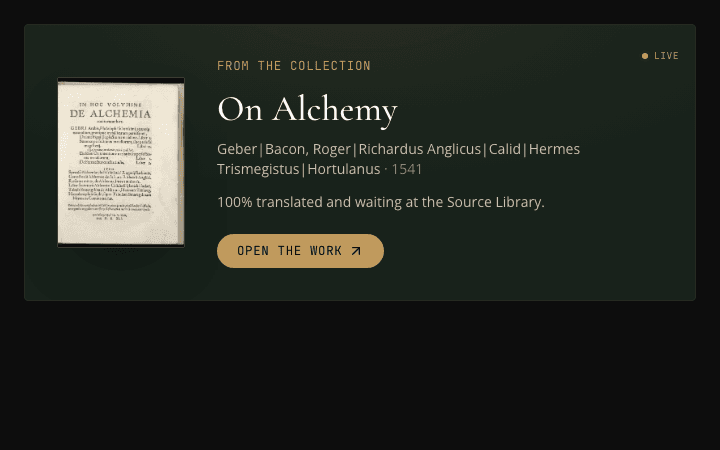
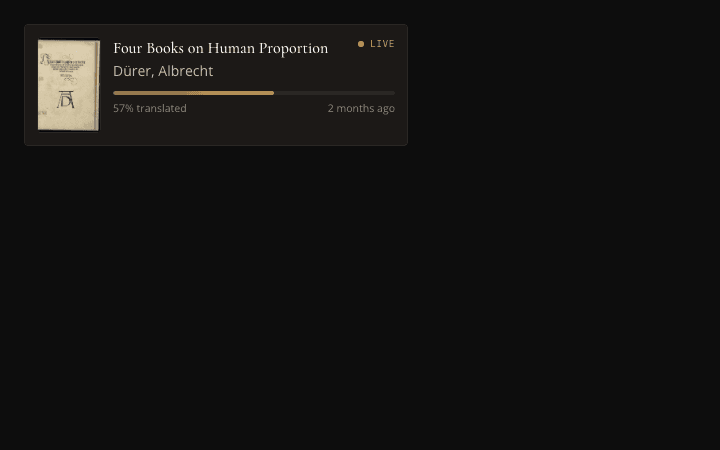
    Every page opens with the real component, running against the Source Library API right now — not a screenshot, not a mockup.

  2. 2

    The pitch

    Why the component exists, in editorial terms: the job it does for a curator, editor, or marketer.

  3. 3

    Where it lives

    The same component shown in three Embassy contexts — homepage, article, landing page — so its fit is obvious.

  4. 4

    Tune it yourself

    An isolated playground. Change the theme, density, and counts; the preview updates live, exactly as the embed will.

  5. 5

    Copy the embed

    One line of HTML for a Webflow Embed block. The playground writes the exact data-attributes for you.

  6. 6

    The data underneath

    No hidden pipeline — the precise request and the raw JSON it returns, mapped straight onto the component.

From paste to published

Copy one line. Drop it in a Webflow HTML block. Done.

No build step, no plugin, no developer. Every component is a single themeable iframe. Pick one, copy its embed, and watch the live preview update — exactly what your visitors will see.

WWebflow Designer · Embed
  1. 1Drag a Webflow Embed element onto the page.
  2. 2Paste the snippet — one line, no dependencies.
  3. 3Publish. It reads live data on every visit.
HTML Embed block
<!-- Recently Translated Rail · Source Library × Embassy of the Free Mind -->
<iframe
  src="https://embassy-sourcelibrary-ds.vercel.app/embed/recently-translated?theme=dark"
  title="Recently Translated Rail"
  loading="lazy"
  style="width:100%;height:720px;margin:0;border:0;display:block;background:transparent;overflow:hidden"
></iframe>
<script>(function(){var s=document.currentScript,i=s.previousElementSibling;while(i&&i.nodeType!==1)i=i.previousSibling;if(!i||i.tagName!=="IFRAME")return;var O="https://embassy-sourcelibrary-ds.vercel.app",savedStyle="",savedOverflow="";function lift(){savedStyle=i.getAttribute("style")||"";savedOverflow=document.documentElement.style.overflow;i.setAttribute("style","position:fixed;inset:0;width:100vw;height:100vh;z-index:2147483647;border:0;margin:0;display:block;background:#000");document.documentElement.style.overflow="hidden"}function drop(){i.setAttribute("style",savedStyle);document.documentElement.style.overflow=savedOverflow}addEventListener("message",function(e){if(e.source!==i.contentWindow||e.origin!==O)return;var d=e.data;if(!d||d.source!=="source-library")return;if(d.type==="modal-open")lift();else if(d.type==="modal-close")drop()})})();</script>
Live previewReading the API

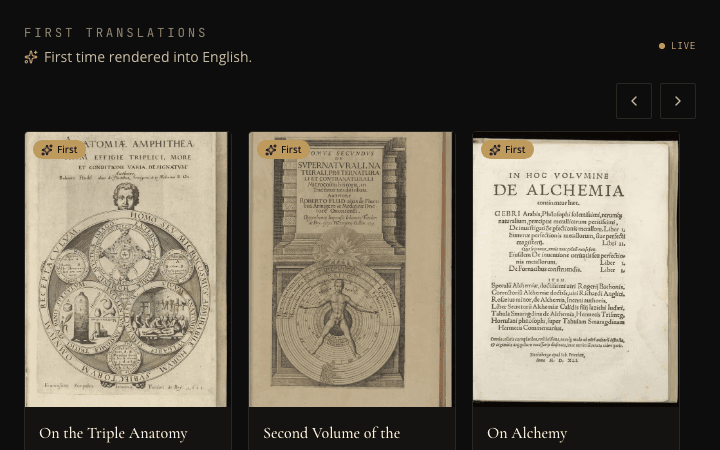
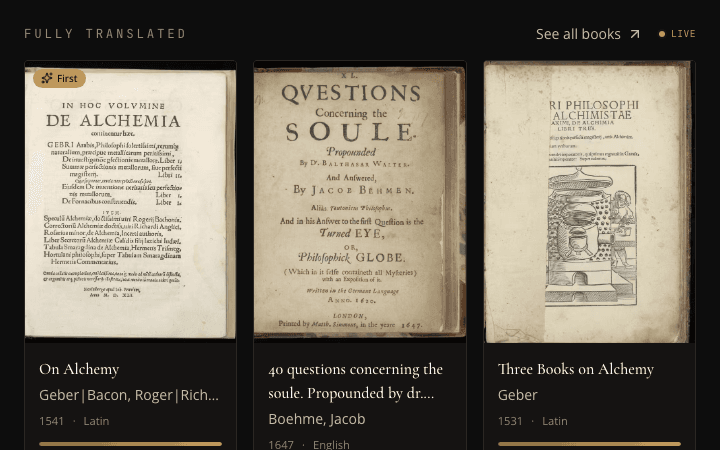
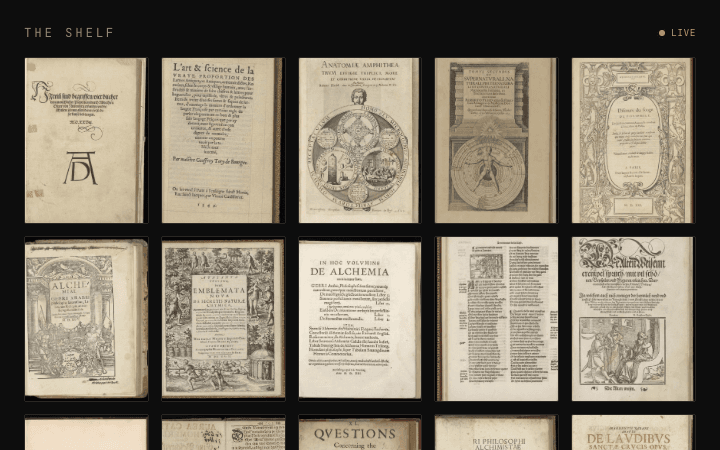
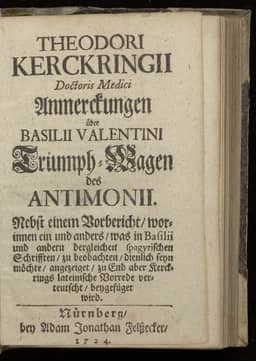
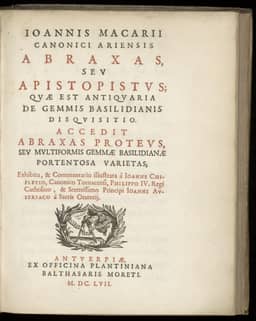
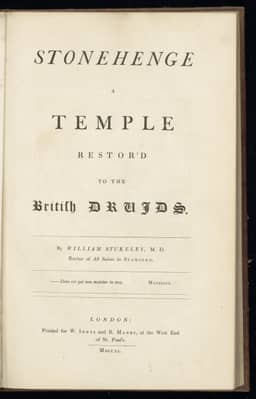
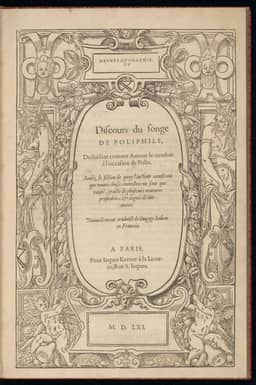
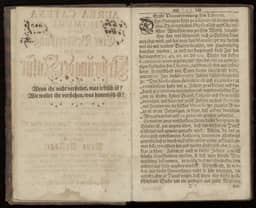
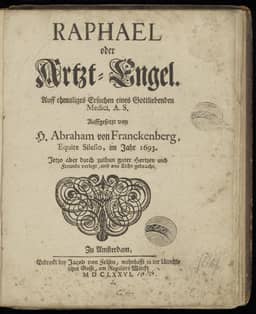
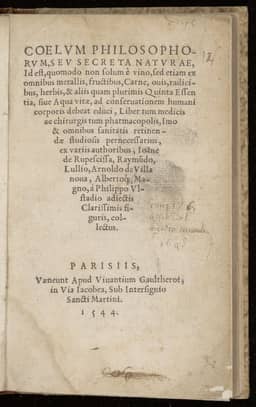
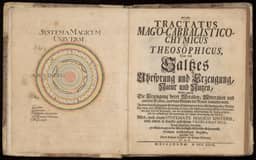
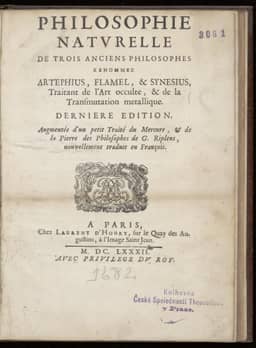
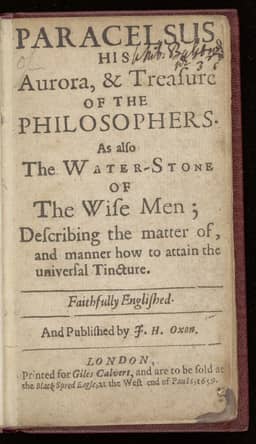
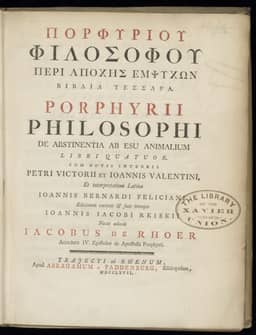
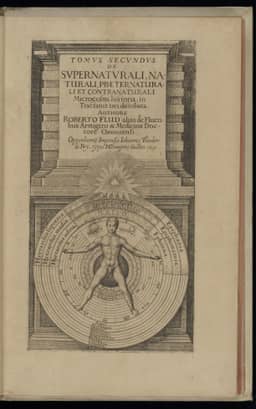
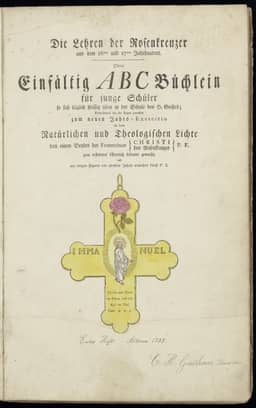
This is the collection

0

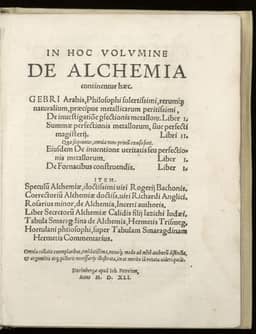
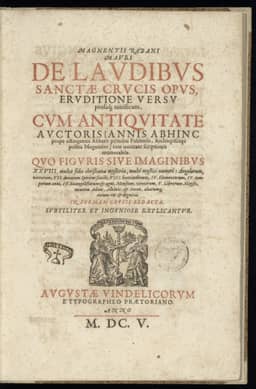
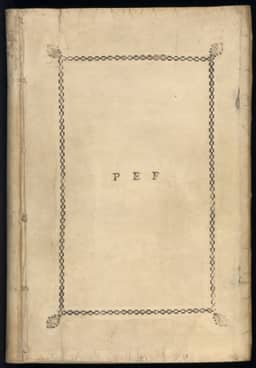
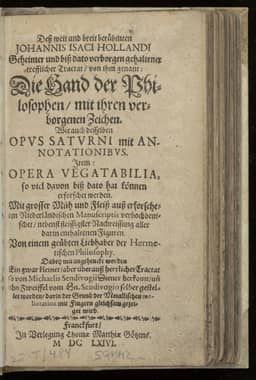
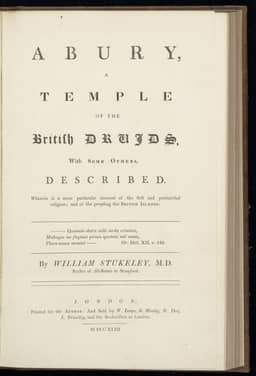
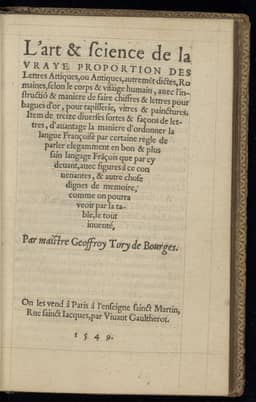
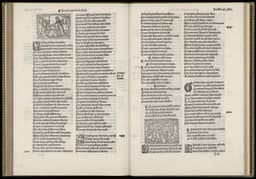
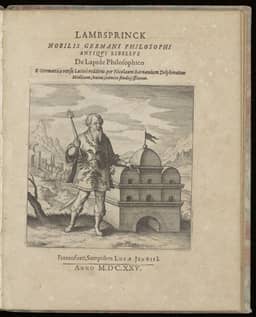
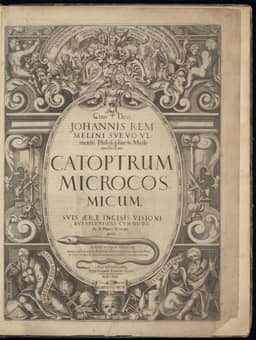
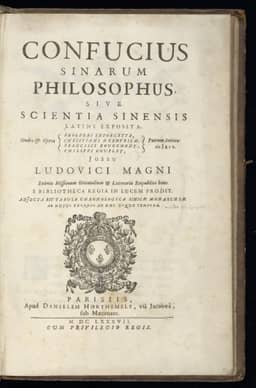
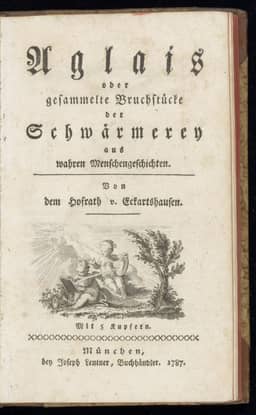
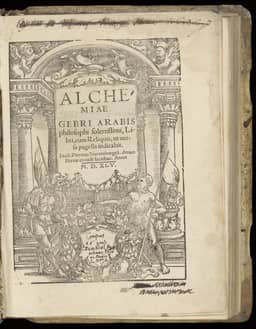
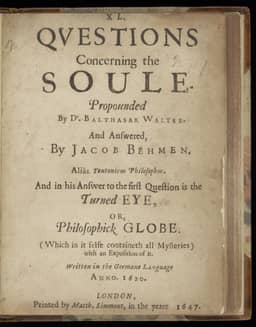
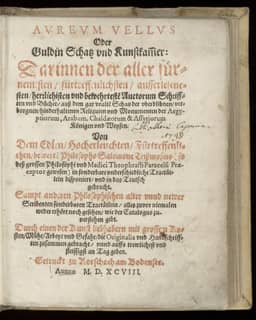
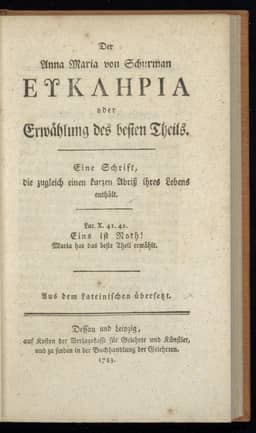
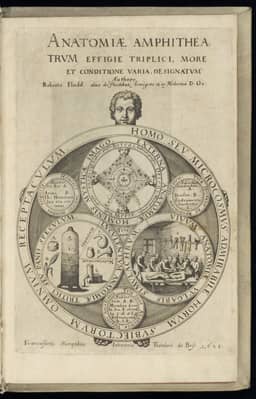
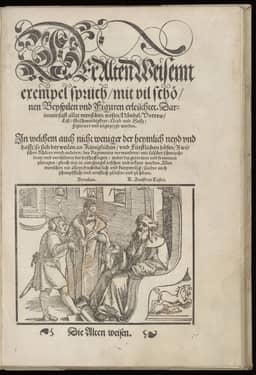
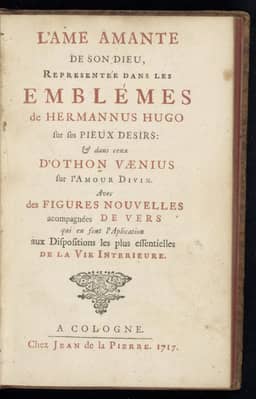
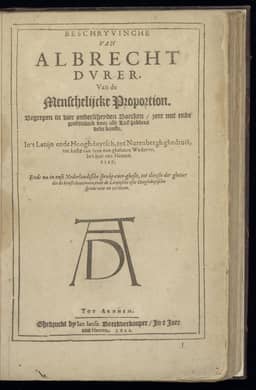
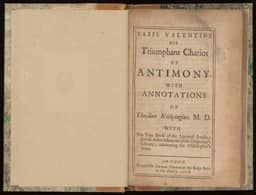
works — scanned, translated, and citable. Every cover here is real.

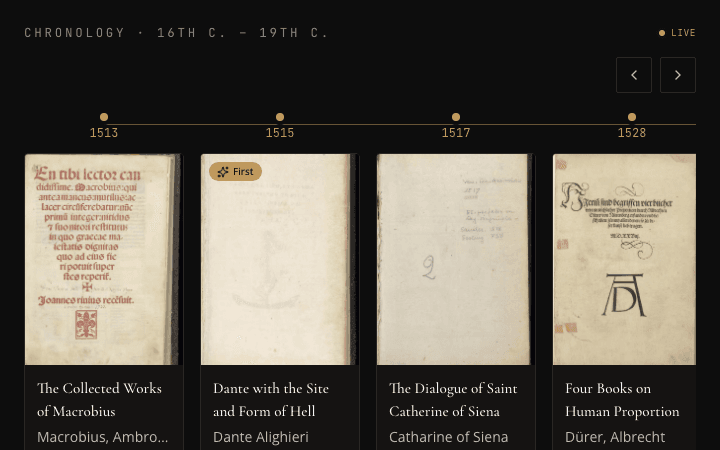
Five centuries

The collection, laid out across time.

From early-modern incunabula to the long eighteenth century — every work plotted by its year of publication, live from the API.

Chronology

Translated works from the Embassy collection, arranged across the centuries.

Questions

The honest answers.

Yes. Every component fetches the Source Library API in the visitor's browser, on every page load — nothing here is a screenshot or a one-time copy. When a new work is translated, it shows up on its own.

The story

Two institutions, one source.

The Embassy of the Free Mind, housed in the Huis met de Hoofden in Amsterdam, keeps the Bibliotheca Philosophica Hermetica — one of the world's great collections of hermetic, alchemical, Rosicrucian, and mystical texts. For decades it has been a place you visit to stand near the objects.

The Source Library is the other half of the verb. It does the patient work of making those objects legible again: scanning, running OCR, translating page by page, attaching DOIs, and exposing everything through a public, CORS-open API under a Creative Commons licence.

This project — codename ad fontes — is the bridge: a library of web components, each reading a real Source Library endpoint, designed so an Embassy editor can drop a primary-source surface into a Webflow page in under a minute. Everything you have scrolled through runs against the live API. Nothing here is a mockup of a thing that might exist. It exists.

Ad fontes. To the sources. The rediscovery of ancient wisdom helped spark the Renaissance — and the tools to do it again are, finally, just a paste away.

Source LibraryEmbassy of the Free Mind

The rediscovery of ancient wisdom helped spark the Renaissance. It's time for another.

ad fontes — to the sources